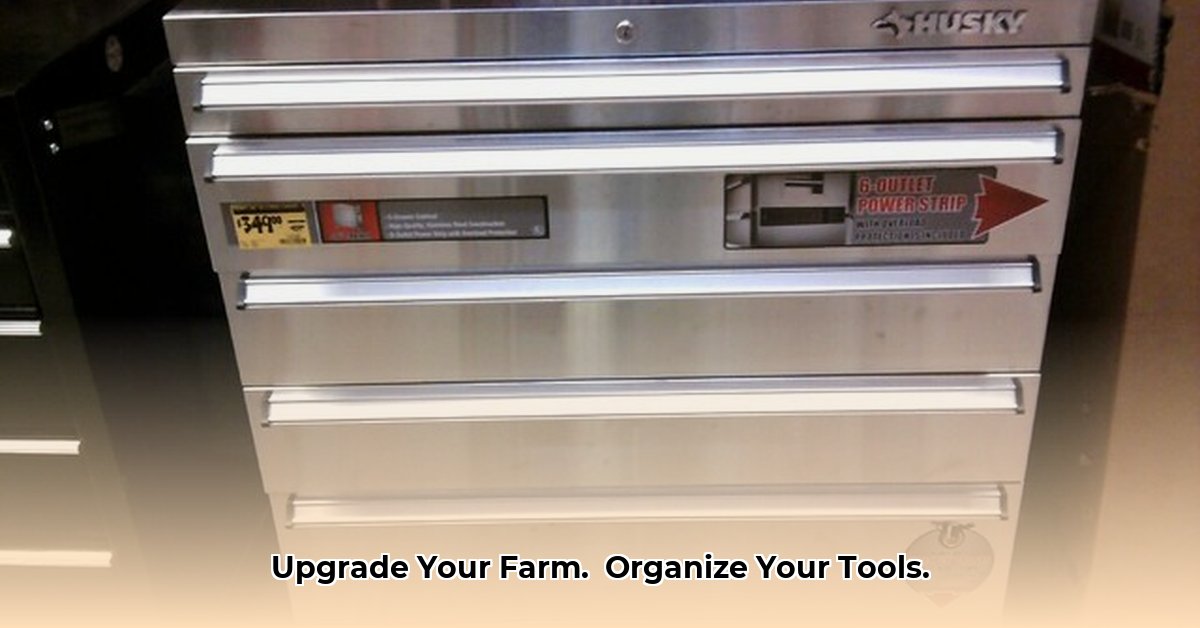
Maximize Your Farm's Potential: Organizing for Sustainable Success with the Tractor Supply 42-Inch Tool Chest
A well-organized workspace is the cornerstone of efficient and sustainable farming. The Tractor Supply 42-inch tool chest offers a practical solution, but its effectiveness hinges on thoughtful tool selection and consistent maintenance. This guide provides actionable steps to optimize your farm's efficiency and minimize environmental impact through informed tool choices.
Why a Well-Organized Tool Chest is Essential for Sustainable Farming
Imagine this: you're in the midst of a crucial harvest and can't find the right tool. Lost time translates directly to lost productivity and potentially, wasted resources. A properly organized tool chest, like the Tractor Supply 42-inch model, is more than just storage; it's a key component of streamlined operations. It protects your tools from the elements, extending their lifespan and reducing the need for frequent (and wasteful) replacements. Isn't it worth the investment in saving time and money?
Choosing Tools that Work With Nature: A Sustainable Approach
Selecting tools for sustainable farming requires careful consideration beyond just price. What materials are they made of? What is their energy consumption? What happens to them at the end of their useful life? These questions are crucial for minimizing your environmental footprint.
While inexpensive options might seem appealing initially, their shorter lifespan often leads to higher long-term costs and increased waste. Investing in durable, high-quality tools— even if more expensive upfront—pays off over time through extended use and reduced replacement needs. This approach reduces waste and contributes to a more sustainable farming practice. Isn't reducing waste and saving money a win-win?
The Sustainable Tool Selection Checklist: Key Questions to Ask
Before purchasing any tool, ask yourself these essential questions:
Durability: How long will this tool last under real-world conditions? Look for robust materials known for their strength and resistance.
Energy Efficiency: Does this tool require significant fuel or electricity? Are energy-efficient alternatives available that achieve the same results? Choosing energy-efficient tools reduces your operational costs and environmental impact.
Material Sourcing: Is the tool crafted from sustainable or recycled materials? Support companies committed to responsible sourcing practices whenever possible. This contributes to responsible resource management.
Maintainability: How easy is the tool to maintain and repair? Tools that are easy to fix extend their lifespan, reducing waste and saving money over time.
Disposal: What happens to the tool at the end of its life? Can it be recycled or repurposed?
Optimizing Tool Usage and Maintenance: Practical Steps for Success
Regular Maintenance: Clean, lubricate, and properly store your tools regularly – this prevents premature wear and tear, extending their lifespan significantly.
Repair Before Replacing: Don't discard a tool at the first sign of trouble. Minor repairs often restore functionality, preventing unnecessary waste and saving money.
Invest Wisely: Although high-quality tools have a higher upfront cost, their longevity and superior performance lead to substantial long-term savings and reduced waste.
Organized Storage: Maintain a well-organized tool chest, like your Tractor Supply 42-inch model, for easy access and reduced wasted time searching for specific tools.
Sustainable Farming: A Holistic Approach
Sustainable agriculture is a holistic undertaking. Choosing the right equipment is a key part of that process, complementing sustainable land management, efficient resource use, and environmentally conscious farming practices. Your commitment to wise tool selection reflects your dedication to a healthier, more prosperous, and environmentally responsible future for your farm.
Key Takeaways:
- Prioritizing durable, long-lasting tools minimizes long-term costs and waste.
- Careful consideration of energy efficiency reduces operational expenses and environmental impact.
- Responsible material sourcing and end-of-life disposal contribute to sustainable practices.
- Investing in a well-organized storage solution, such as the Tractor Supply 42-inch tool chest, optimizes workflow and reduces wasted time.